
Ultimate Foundation Repair Equipment For Professional Results
Equip yourself with top-quality foundation repair tools and materials that ensure precise, durable, and professional-grade repairs.
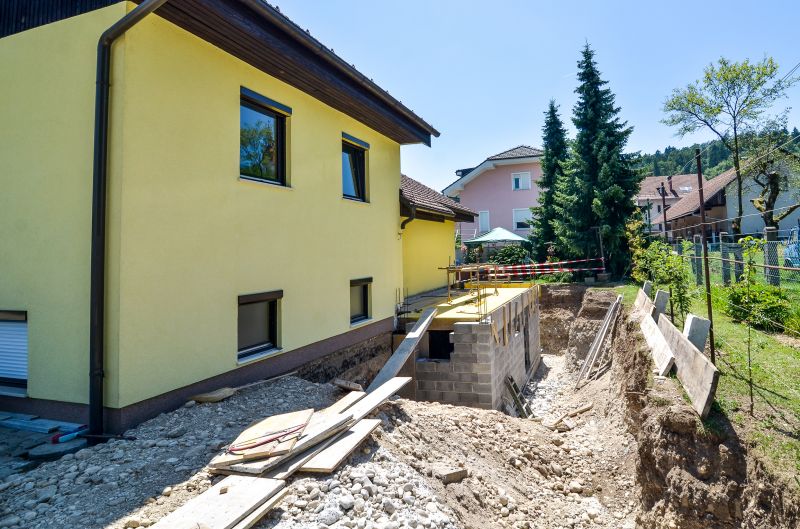 Foundation issues can significantly impact the stability and safety of a structure. When addressing foundation repairs, it is important to consider a variety of products designed to stabilize, lift, or reinforce the foundation. These products are used in different scenarios, from minor cracks to major shifts, and selecting the appropriate solutions depends on the specific conditions of the property. Proper assessment by a professional is often recommended to determine the most suitable repair methods.
Top Overall Option
Hydraulic Pier System
Hydraulic pier systems are versatile and widely used in foundation repair due to their ability to lift and stabilize structures effectively. They consist of steel piers driven into the ground beneath the foundation, with hydraulic jacks used to lift and support the structure. These systems are adaptable to various soil types and foundation conditions, making them a reliable choice for many repair scenarios. Proper installation by trained professionals ensures that the system provides long-term stability and support.
Types of Products For Foundation Repairs
Hydraulic Piers
Steel piers driven into the ground with hydraulic jacks to lift and stabilize foundations.
Underpinning Systems
Support systems designed to strengthen and stabilize existing foundations, often using concrete or steel components.
Helical Piles
Deep foundation support elements that are screwed into the ground to provide stability in challenging soil conditions.
Epoxy Injection Kits
Materials used to fill cracks and bond damaged concrete to restore structural integrity.
Slab Jacking Materials
Foams or mudjacking compounds used to lift and level sunken concrete slabs.
Soil Stabilizers
Chemicals or mechanical supports used to improve soil bearing capacity around foundations.
Carbon Fiber Reinforcements
Fiber materials applied to concrete surfaces to prevent cracking and improve strength.
Foundation Braces
Support braces used to stabilize walls and prevent further shifting.
Drainage Systems
Proper drainage solutions to reduce soil moisture fluctuations that can affect foundation stability.
Grout and Mortar Mixes
Materials for filling voids and sealing cracks in foundation structures.
Vibration and Jacking Equipment
Tools used during foundation lifting and stabilization processes.
Foundation Repair Anchors
Anchoring systems to secure walls and prevent bowing or collapse.
Popular Choices
A commonly used option for foundation stabilization, appreciated for its adaptability.
Frequently selected for crack repairs and concrete bonding applications.
Popular in areas with challenging soil conditions requiring deep support.
Often used to improve soil conditions around foundations to prevent future issues.
Chosen for wall stabilization and preventing further movement.
Essential for managing water flow and reducing soil erosion near foundations.
Commonly used during lifting operations to ensure even and controlled movement.
Preferred for quick and minimally invasive slab leveling.
Selected for deep support in foundation reinforcement projects.
Popular for sealing voids and cracks in concrete slabs.
Often used to reinforce weak or compromised foundation walls.
Increasingly used for crack reinforcement and structural strengthening.
Foundation repair products are engineered to provide durable and long-lasting solutions. They include a range of materials such as hydraulic piers, underpinning systems, helical piles, and epoxy injections. Each product type serves a specific purpose, whether it is lifting a sagging foundation, filling cracks, or reinforcing weak soil. The choice of product can influence the effectiveness, cost, and longevity of the repair work.
In West Chester, OH, homeowners and property managers often seek reliable foundation repair options that can withstand local soil conditions and weather patterns. Ensuring the quality and compatibility of repair products with existing structures is essential. Consulting with experienced contractors who understand regional challenges can help in selecting the right products and achieving stable, lasting repairs.
While the variety of foundation repair products can seem overwhelming, understanding the different types and their applications can simplify the decision-making process. It is also beneficial to consider the ease of installation, the materials used, and the manufacturer's reputation when choosing products. Properly selected and installed products can contribute to the overall safety and integrity of a building, providing peace of mind for homeowners and occupants alike.
Key Buying Considerations
- Assess the specific foundation issue and choose products accordingly.
- Consider the soil type and conditions at the property location.
- Evaluate the load-bearing requirements for your structure.
- Check the compatibility of repair products with existing foundation materials.
- Review the installation process and whether professional assistance is needed.
- Determine the long-term durability and maintenance needs of the products.
- Factor in the size and scope of the repair project to select appropriate products.
- Research manufacturer reputation and product warranties.
- Ensure the products meet local building codes and regulations.
- Consider the ease of future inspections and potential repairs.
- Evaluate the environmental conditions, such as moisture levels and drainage.
- Look into the availability of replacement parts or additional components.
- Assess the cost-effectiveness and overall value of the products.
- Verify the training or certification requirements for installers.
- Consider whether the products are adaptable for potential future issues.